Strengthening Kenya’s Health Security through Validation of the National Action Plan for Health Security (NAPHS II)

What US Bilateral Health Cooperation Agreements mean for advancing Africa’s Health Systems and shared Global Health Security
December 13, 2025
Kenya’s States Parties Self-Assessment Annual Reporting (SPAR 2025) signals a strategic shift in Health Security Preparedness
February 13, 2026
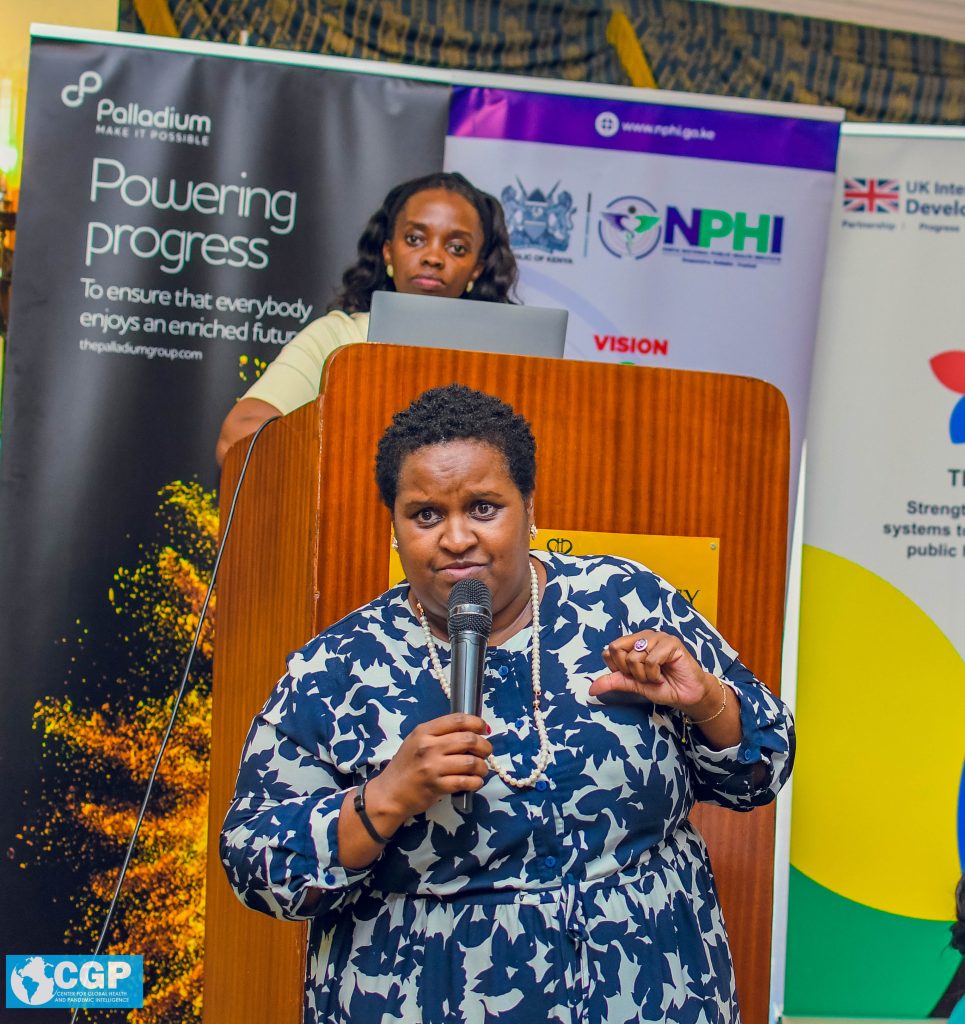
“The validation of NAPHS II marks a critical shift from planning to execution. By grounding the Plan in evidence, One Health principles, and national ownership, Kenya is positioning itself to translate investments into sustained health security impact. TDDAP2 is proud to support this process as it strengthens the systems that matter most before, during, and after health emergencies.”
— Dr. Kadondi Kasera, TDDAP2 Team Lead
Dr. Mark Nanyingi, (Feb 6, 2026, Nairobi-Kenya)
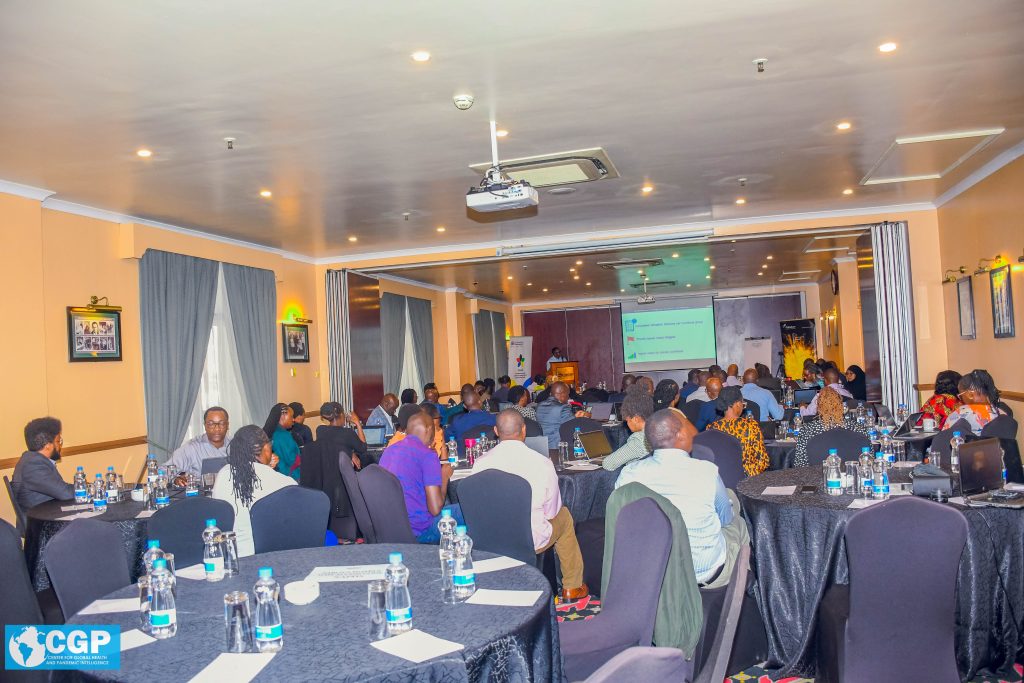
The Center for Global Health and Pandemic Intelligence (CGP), through its Division of Global Health Security, provided technical leadership and facilitation for the National Action Plan for Health Security II (NAPHS II) Validation Workshop.
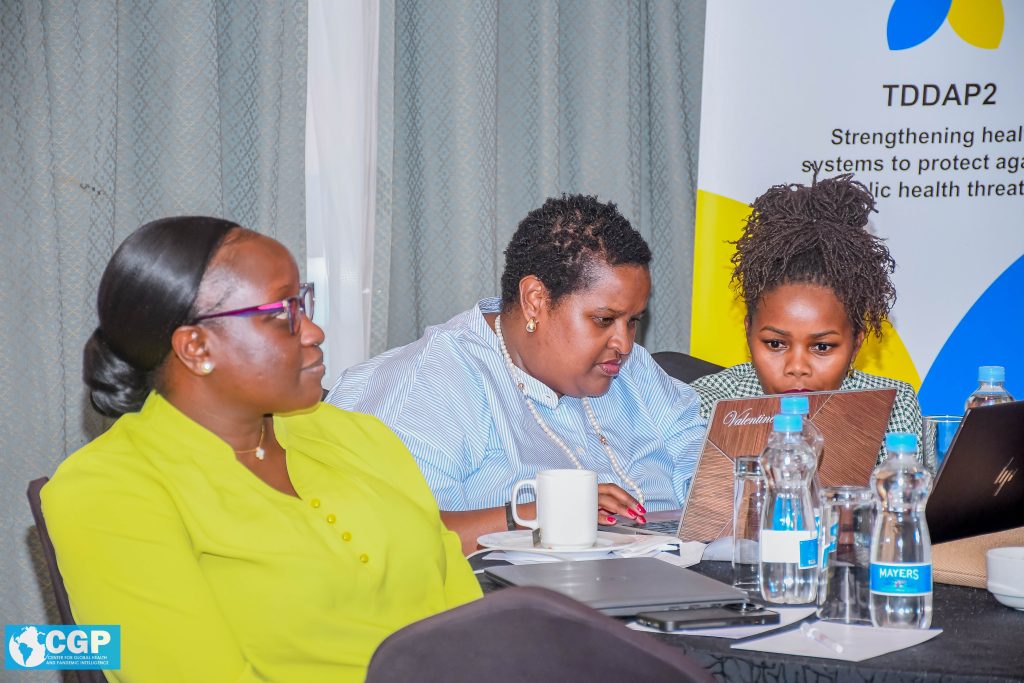
The validation convened over 70 multidisciplinary stakeholders from national and county governments, technical agencies, academia, and development partners to rigorously assess the technical soundness, strategic coherence, and implementability of NAPHS II—Kenya’s five-year roadmap for strengthening prevention, detection, and response to public health threats in alignment with the International Health Regulations (IHR 2005).
A One Health–Anchored, Evidence-Driven Plan
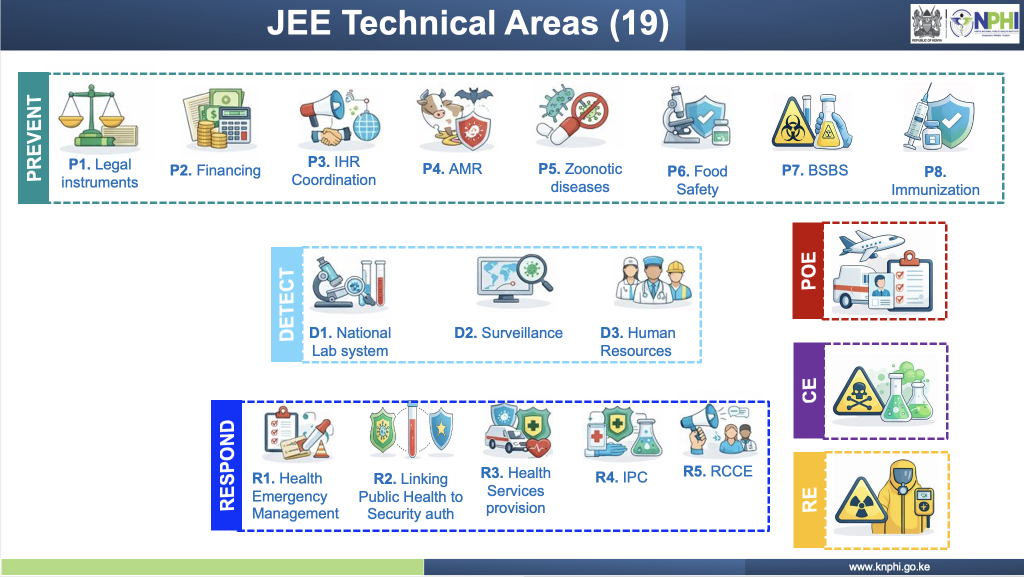
NAPHS II is anchored in a One Health framework that integrates human, animal, and environmental health, and explicitly addresses climate-related health risks across all 19 Joint External Evaluation (JEE) technical areas. The Plan builds on the achievements and lessons learned from NAPHS I (2019–2023), while systematically addressing gaps identified through:
- Joint External Evaluation (JEE), 2024
- State Party Self-Assessment Annual Report (SPAR), 2024
- Performance of Veterinary Services (PVS), 2022
- National Bridging Workshop (NBW), 2021
- After Action Reviews (AARs) and Intra-Action Reviews (IARs)
These inputs were synthesised in line with the IHR (2005) Monitoring and Evaluation Framework, ensuring that NAPHS II is both evidence-based and implementation-ready.
Vision and Strategic Direction
NAPHS II articulates a clear national vision: to build a resilient, coordinated, and One Health–driven health security system that protects lives, livelihoods, and national stability from epidemic-prone, zoonotic, climate-sensitive, and other emerging threats. This vision is operationalised through six overarching strategic objectives::
- Strengthen emergency preparedness and risk reduction
- Enhance surveillance and early warning systems
- Strengthen emergency management, One Health coordination, and response
- Strengthen community communication and engagement
- Promote research, innovation, and evidence-based decision-making
- Reinforce governance, leadership, and sustainable financing
How was the Validation Conducted
The validation followed a structured, functional group–based methodology designed by CGP that is aligned with the IHR (2005) Monitoring and Evaluation Framework, combining thematic review, application of a standardised validation matrix, and cross-sectoral synthesis. The draft NAPHS II was reviewed through five functional groups, each assigned a defined scope and clustered JEE technical areas:
- Governance and Financing (P1, P2, P3)
Legal and policy frameworks, coordination mechanisms, and sustainable financing. - Surveillance, Laboratory Systems, and Workforce (D1, D2, P7, R5, POE)
Detection and verification capacity, laboratory systems, biosafety, risk communication, and points of entry. - One Health, AMR, Food Safety, and IPC (P4, P5, P6, R4)
Integration of AMR, zoonotic disease control, food safety, and infection prevention and control systems. - Response to Health Emergencies (R1, R2, R3, P8)
Emergency management, surge capacity, health service delivery, and immunisation readiness. - Chemical, Biological, Radiological, and Nuclear (CBRN) Emergencies (CE, RE)
Preparedness and response to non-biological public health hazards.
Each group applied a validation matrix to identify gaps, overlaps, feasibility concerns, and priority bottlenecks, classifying inputs as AGREED, NOTED, OR DEFERRED. Outputs were consolidated in plenary and reviewed during a post-validation convention of the NAPHS II Secretariat, ensuring coherence, national ownership, and clarity on next steps..
From Validation to National Ownership

Through a post-validation convention of the NAPHS II Secretariat, consolidated inputs from all functional groups were reviewed, ratified, and translated into agreed revisions, noted implementation actions, and clearly defined escalation points ensuring national ownership, technical credibility, and policy readiness of the final Plan.
Positioning NAPHS II for Implementation and Financing
The validation confirmed that NAPHS II provides a credible platform for resource mobilisation, aligned with ongoing and prospective bilateral and multilateral investments. In particular, the Plan positions Kenya to operationalise the US–Kenya health cooperation agreement, by providing a nationally endorsed framework through which investments in surveillance, laboratory systems, workforce development, emergency operations, digital health systems, and governance can be coordinated, tracked, and sustained.
One health Partnerships
The validation workshop was financially supported by the Tackling Deadly Diseases in Africa Programme Phase 2 (TDDAP2) under Palladium, with technical leadership and guidance from CGP.Additional contributions were provided by the KEMRI, Wellcome Trust, Infectious Diseases Institute (IDI)- Makerere University, University of Nairobi, US CDC, WHO, The Task Force for Global Health, AFENET , Gates Foundation, IOM, PATH, ICAP-Columbia University, Kenya Red Cross, FELTP, Amref Health Africa, the Smithsonian Institution and other partners
CGP acknowledges the leadership of the Kenya National Public Health Institute (KNPHI), the Ministry of Health, and the NAPHS II Secretariat, and appreciates all participants for the discipline, systems thinking, and constructive engagement that defined this validation.
The focus now shifts to final technical refinement, endorsement, and implementation, as NAPHS II moves from plan to practice in strengthening Kenya’s health security